
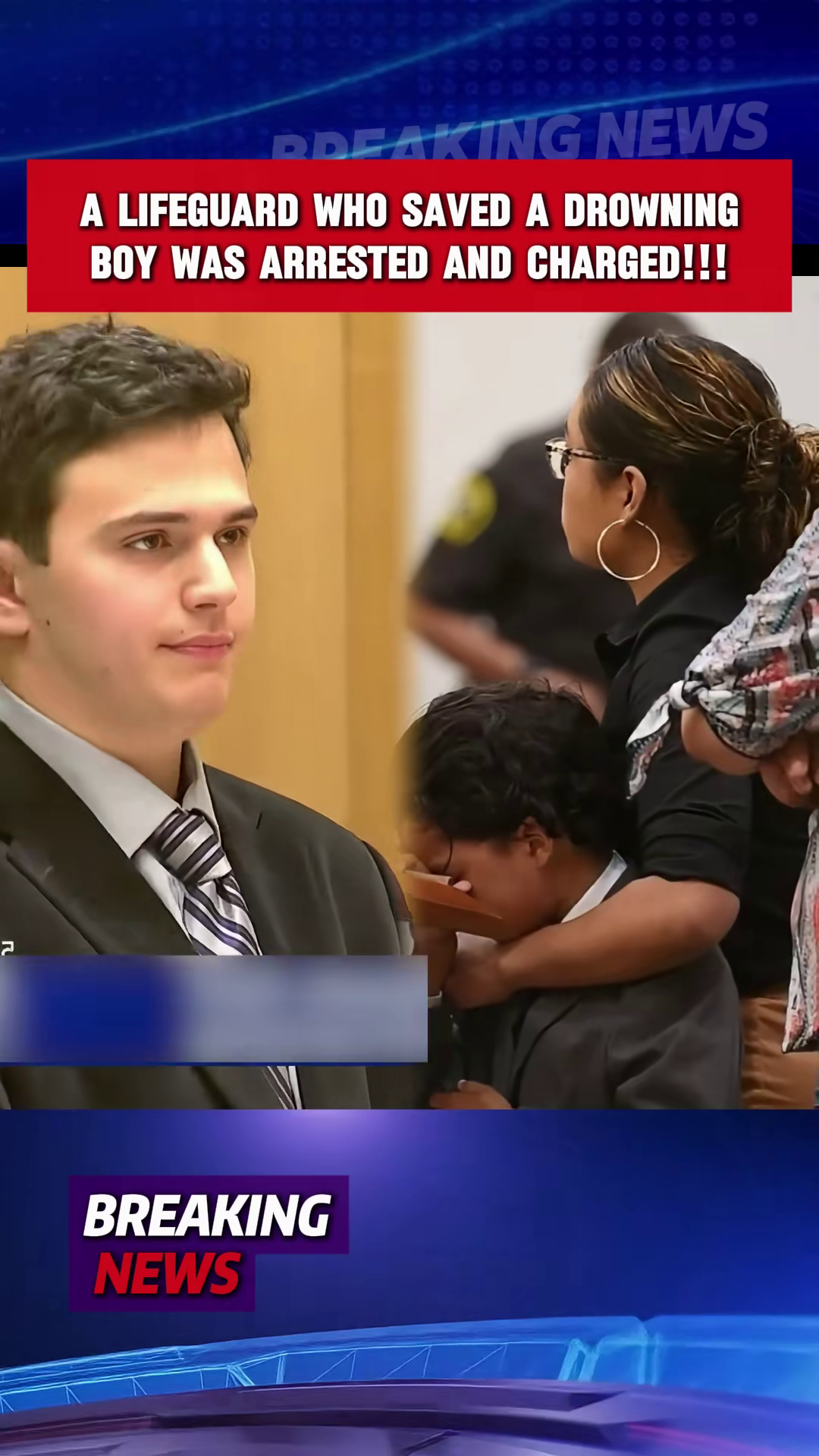
In the summer of 2017, a story broke that sent shockwaves through the lifeguarding community and the general public alike. Zachary Stein, a 23-year-old lifeguard with five years of experience, was hailed as a hero for pulling a five-year-old boy from the bottom of a pool and performing life-saving CPR. However, within weeks, the narrative shifted from one of gratitude to one of legal prosecution. Stein was arrested and charged with reckless endangerment and risk of injury to a minor.
The case of Zachary Stein raises a haunting question for first responders everywhere: When does a successful rescue become a criminal failure?
The Incident at Chelsea Piers
It was a typical busy day at the Chelsea Piers Connecticut sports complex in Stamford. Zachary Stein was the lifeguard on duty, tasked with monitoring the pool area. Among the many children playing was five-year-old Adam Kerdik.
According to surveillance footage and police reports, the situation turned dire when Adam slipped beneath the surface of the water. For nearly four minutes, the young boy remained submerged, unnoticed by the crowds or the lifeguard on duty. Eventually, Stein spotted the child, dove into the water, and pulled his limp body to the surface.
At that moment, Adam was not breathing and had no pulse. He was, for all intents and purposes, on the brink of dth. Stein immediately began performing CPR, a skill he had practiced for years. His efforts were successful; he managed to resuscitate the boy before paramedics arrived. Adam was rushed to the hospital in critical condition, but miraculously, he made a full recovery.
From Rescue to Handcuffs
For most, the story would have ended there—a narrow escape and a celebration of a life saved. But the Stamford Police Department saw things differently. After reviewing the surveillance footage, investigators determined that the duration Adam spent underwater was unacceptable.
They argued that because there were fewer than eight children in the pool at the time and no visible distractions (such as a cell phone), Stein had no excuse for not noticing the drowning child sooner. In their view, the rescue did not negate the four minutes of perceived negligence that preceded it.
“A lifeguard is there to prevent the drowning, not just to react to it,” one official noted during the investigation.
In a move that many found unprecedented, the State’s Attorney’s office moved forward with criminal charges. Zachary Stein was arrested, his mugshot was blasted across local news, and he was fired from his position.
The Legal Debate: Negligence vs. Criminality
The core of the legal battle rested on the definition of “reckless endangerment.” To prove this in a court of law, the prosecution had to show that Stein’s conduct was a gross deviation from the standard of care that a reasonable person would observe in the same situation.
The prosecution’s argument was clinical:
-
The pool was not over-capacity.
-
The water was clear.
-
The child was submerged for nearly four minutes.
-
Therefore, the lifeguard must have been “reckless” in his duties.
The defense, led by attorney Mark Sherman, argued that lifeguarding is an incredibly difficult job that requires constant vigilance over a shifting, shimmering environment. They pointed out that Stein did eventually see the boy, reacted perfectly, and performed the CPR that ultimately kept the child from d*ing. They argued that the trauma of the event and the loss of his career were punishment enough for what they deemed a tragic “lapse” rather than a criminal act.
Public Outcry and the “Chilling Effect”
The arrest of Zachary Stein sparked a massive debate online and in the media. Many parents were horrified, identifying with Adam’s family. They argued that four minutes is an eternity and that if you are paid to watch a pool, your eyes should never leave the water. For them, the arrest was a necessary step in holding professionals accountable for the safety of children.
Conversely, professional lifeguards and first responders were terrified. They argued that this prosecution would create a “chilling effect.” If a lifeguard knows they can be sent to prison even if they successfully save a life, who would want to take the job?
The lifeguarding community pointed out that “active drowning” is often silent and difficult to spot, unlike the splashing and screaming depicted in movies. They feared that the legal system was setting a standard of perfection that no human being could consistently meet.
The Victim’s Family Speaks
While the public debated the legalities, the Kerdik family was dealing with the aftermath of their son’s near-fatal accident. During court proceedings, the family’s pain was palpable. While they were undoubtedly grateful their son survived, they felt that the trauma he endured—and the potential long-term neurological impacts of oxygen deprivation—could have been avoided if the lifeguard had been more attentive.
In many ways, the prosecution was a pursuit of justice for a child who came seconds away from losing his life.
The Resolution of the Case
As the case moved toward a trial, the pressure on both sides was immense. In a surprising turn of events, the charges against Zachary Stein were eventually addressed through a program called “accelerated rehabilitation.” This is a special form of probation for first-time offenders.
Under the agreement, Stein did not have to plead guilty, and the charges would eventually be dismissed and erased from his record if he completed a period of probation and remained in good standing.
While this allowed Stein to avoid prison time, the damage to his reputation and career was already done. He moved on from lifeguarding, and the sports complex implemented stricter safety protocols and increased the number of guards on duty at any given time.
Lessons Learned and Industry Changes
The Zachary Stein case remains a landmark event in the world of recreation management. It led to several significant shifts in how pools are managed:
-
The 10/20 Rule: Many facilities doubled down on the 10/20 rule, which dictates that a guard must be able to scan their entire zone in 10 seconds and reach a victim in 20 seconds.
-
Zone Redundancy: Many high-end facilities now ensure that zones overlap, so at least two pairs of eyes are on every section of the pool.
-
Technological Integration: The case spurred interest in underwater camera systems and wearable technology that alerts guards if a swimmer remains motionless for too long.
-
The Reality of Drowning: Safety advocates used the story to educate the public that drowning doesn’t look like drowning. It is often a quiet, vertical struggle that can be missed even by those standing just a few feet away.
Conclusion: A Story with No Winners
The story of the lifeguard who was arrested for saving a life is a tragedy of nuances. There were no “villains” in the traditional sense. Zachary Stein was a young man who likely had a momentary lapse in a high-stress environment. The police were officials trying to uphold a standard of safety for the community’s most vulnerable members. The Kerdik family was a group of terrified parents seeking accountability for their son’s suffering.
In the end, Adam Kerdik survived, which is the most important outcome. However, the legal precedent remains a sobering reminder of the weight of responsibility carried by those we entrust with our lives. It serves as a warning that in the eyes of the law, the “save” might not always be enough to atone for the “oversight.”
As we look back on this incident, it forces us to reflect on our expectations of human vigilance. We want our lifeguards to be perfect, but they are, after all, only human. The case of Zachary Stein ensures that the conversation about where “human error” ends and “criminal negligence” begins will continue for years to come.
What do you think? Was the arrest a necessary step for public safety, or was it a cruel punishment for a man who ultimately saved a life? Let us know your thoughts in the comments.