
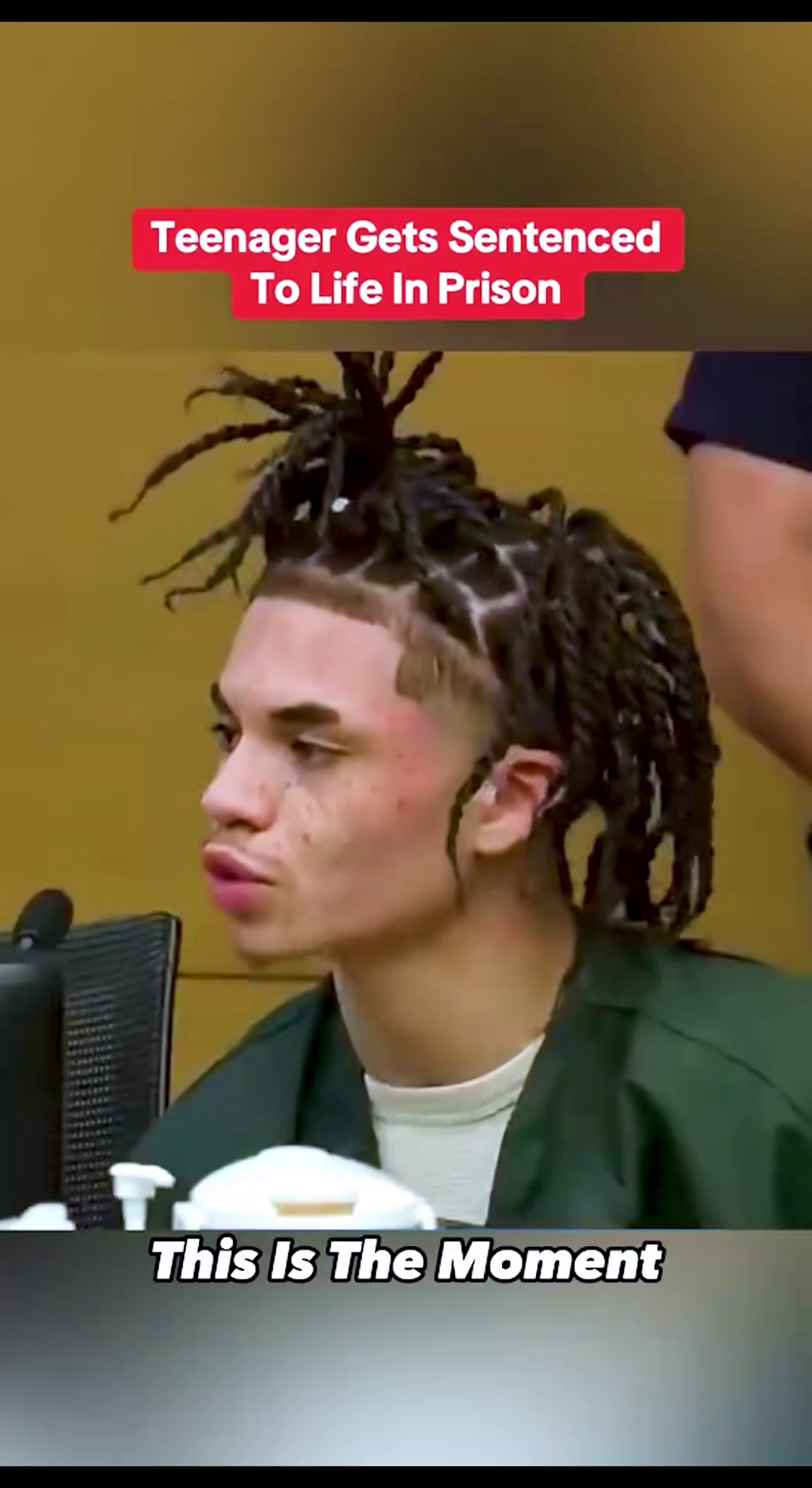
In late 2021, a heart-wrenching incident in Denver, Colorado, captured the attention of the entire country. Pamela Cabriales, a 32-year-old real estate agent and beloved mother, was waiting at a traffic light when her life was abruptly taken. The perpetrator? A young teenager who, according to prosecutors, was looking to make a name for himself.
The case of Remi Cordova has since become a focal point for discussions on juvenile justice, the influence of gang culture, and the devastating consequences of gun violence.
The Fatal Encounter
On February 20, 2021, Pamela Cabriales was driving her Land Rover near Colfax Avenue and Interstate 25. According to court records, her vehicle was involved in a minor traffic collision with a car occupied by Remi Cordova and several others.
What should have been a routine exchange of insurance information turned into a nightmare. Prosecutors stated that Cordova, who was only 14 years old at the time, exited his vehicle and fired an AR-15 rifle into Pamela’s car. She sustained severe injuries and was rushed to the hospital, where she tragically died a few days later, leaving behind a young son.
The Prosecution’s Case: A Quest for “Street Cred”
During the trial, the prosecution painted a chilling picture of the events. They argued that the shooting was not a random act of road rage, but rather a calculated move by Cordova to impress his fellow gang members. Evidence presented in court suggested that Cordova and his associates were actively seeking opportunities to commit acts of violence to boost their standing within their social circles.
The use of a high-powered rifle like the AR-15 by a 14-year-old sparked outrage. It highlighted the ease with which dangerous weapons can fall into the hands of minors and the lethality of the situations that follow.
The Defense and Cordova’s Statement
Throughout the legal proceedings, Remi Cordova and his defense team maintained his innocence. They argued that there was insufficient evidence to prove he was the one who pulled the trigger. Even after being found guilty by a jury of first-degree murder, Cordova refused to admit responsibility.
In a tense courtroom moment, Cordova addressed the family of Pamela Cabriales directly. He stated, “I want you all to know I really feel for y’all. I understand completely the pain that you guys feel. But I cannot take responsibility for something that I did not do.”
His refusal to express remorse or admit guilt was a point of deep pain for the victim’s family, who felt that justice required a full accounting of the truth.
The Sentencing: Life Behind Bars
In Colorado, the law allows for certain violent crimes committed by juveniles to be tried in adult court. Given the severity of the crime—the premeditated kll of an innocent woman—the judge sentenced Cordova to life in prison with the possibility of parole after 40 years.
While the sentence provides some closure for the Cabriales family, it also serves as a somber reminder of a life wasted. At just 14 years old, Cordova’s future was effectively ended by a single, violent choice.
The Impact on the Community
The loss of Pamela Cabriales sent shockwaves through the Denver community. She was described by friends and family as a vibrant, hardworking woman who lived for her son. Her death prompted calls for stricter gun control measures and better resources for at-risk youth to prevent them from being recruited into gangs.
Community leaders have emphasized that sentencing individuals like Cordova is only one part of the solution. To truly prevent such tragedies, society must address the root causes of youth violence, including poverty, lack of educational opportunities, and the normalization of gang culture in certain neighborhoods.
The Debate Over Juvenile Sentencing
The Remi Cordova case has also reignited the debate over whether it is ethical to sentence a child to life in prison.
-
Proponents of the sentence argue that the heinous nature of the crime and the danger he poses to society justify the punishment.
-
Opponents point to brain development studies showing that 14-year-olds lack the impulse control and long-term thinking of adults, suggesting that rehabilitation should be the primary goal.
Regardless of where one stands on the legal debate, the human cost of this tragedy is undeniable. One family is left without a mother, and another family is left watching their son spend his best years in a cell.
Conclusion
The story of Remi Cordova and Pamela Cabriales is a modern-day tragedy of the highest order. It is a stark illustration of how quickly lives can be destroyed by senseless violence. As the legal chapters of this case close, the lessons remain: the importance of community intervention, the dangers of gang influence, and the irreplaceable value of a life taken too soon.
Pamela’s legacy lives on through her son and the advocacy of her family, who continue to fight for a safer world where no other mother has to face such a fate.